webmail
 Portal personal








The primary goal of this project is to strengthen the resilience of foster parents, thereby improving the quality of life for UMRs and their foster families. During the session, attendees learned about the project and took part in various interactive activities that allowed for reflection on the needs, interests and challenges faced by UMRs and the families hosting them.
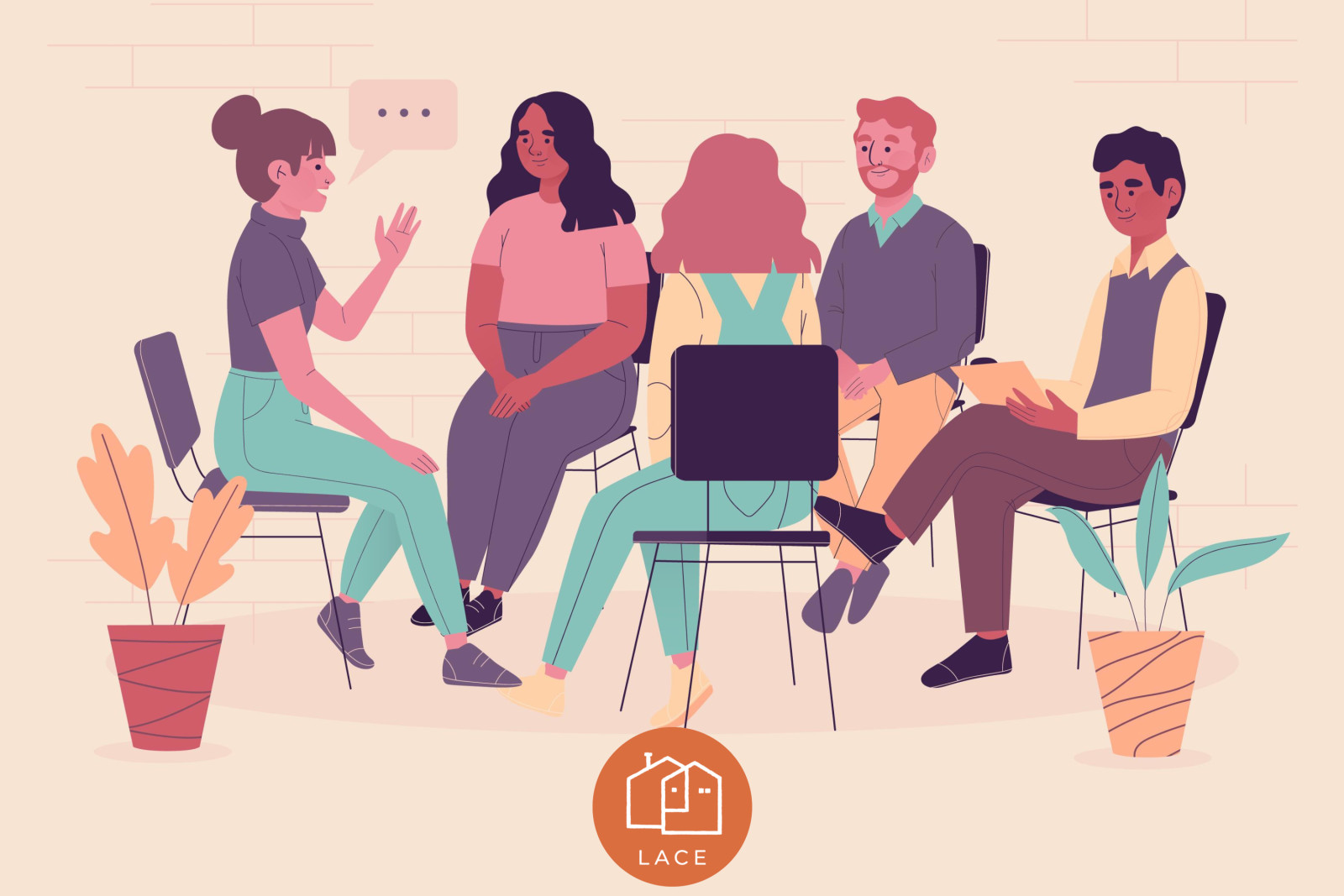
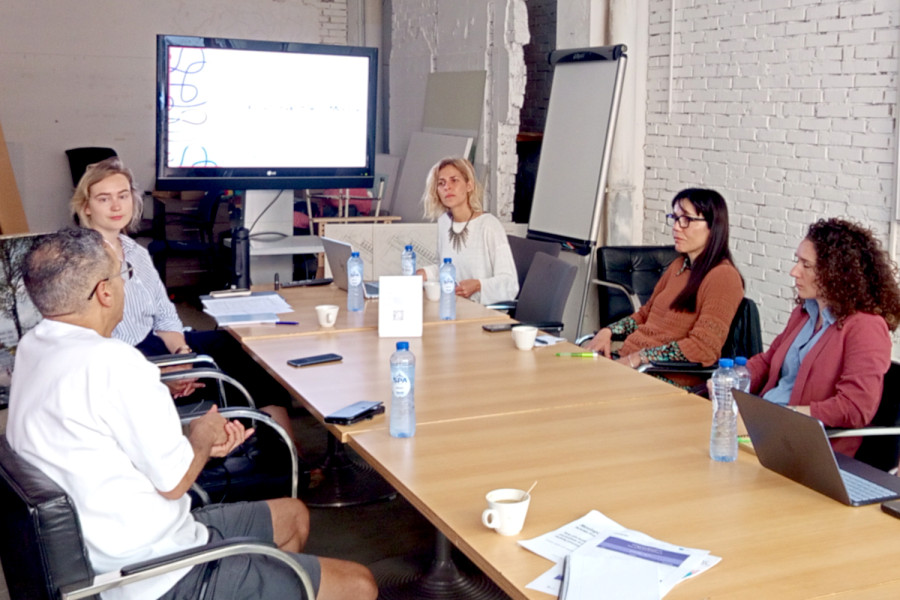
On June 3rd, Fundación Diagrama's headquarters in Vilanova i la Geltrú (Barcelona) hosted the first awareness session of the project ‘LACE - Learning Communities for Foster Parents: Working Together for the Well-being of Unaccompanied Minor Refugees’. The primary goal of this project is to strengthen the resilience of foster parents, thereby improving the quality of life for UMRs and their foster families. In addition, the project also seeks to support families interested in fostering these young people.
The LACE project, co-financed by the Erasmus+ Programme of the European Union, is coordinated by Odisee University College (Belgium). Partners include Fundación Diagrama in Spain, as well as three other leading organizations in Europe: Equality (Italy), which works on the support and prevention regarding situations of child exploitation and vulnerability; Salesiani per il Sociale (Italy), national network focused on the social inclusion of children and youth; and Hope for Children (Cyprus), the country's leading non-profit organization in the field of child protection.
The event was very well received, drawing over 20 participants from three distinct backgrounds: social sector professionals -including public administration representatives—, partner families and young people with migration experiences. During the session, attendees learned about the project and took part in various interactive activities that allowed for reflection on the needs, interests and challenges faced by UMRs and the families hosting them.
Attendees actively engaged in the proposed activities, sharing both the positive experiences and extensive background of partner families, as well as the questions of those interested in collaborating in the future. This session marked the starting point for creating a learning community that will take shape over the coming months: a meeting space grounded in peer support, designed to build resilience, exchange knowledge, share experiences and collaborate on solutions to common challenges.